The start of the tender process for building work on the Dublin MetroLink will be exciting news not just for commuters who may use the system in the future, but for firms who may win the tenders and need to hire or buy plant equipment for the purpose.
Announcing the launch of the tendering process, transport minister Darragh O’Brien emphasised the historic scale of the project for Ireland when he noted that it will be the largest single construction project since the Ardnacrusha hydro power plant a century ago.
Construction on stations and tunnelling will begin in 2028, with the cost now projected to be between €14.4 and 17.5 billion.
Why Will The MetroLink Construction Project Need A Lot Of Dumper Trucks?
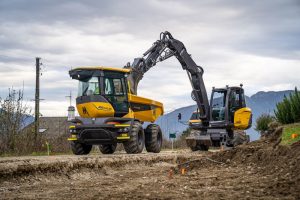
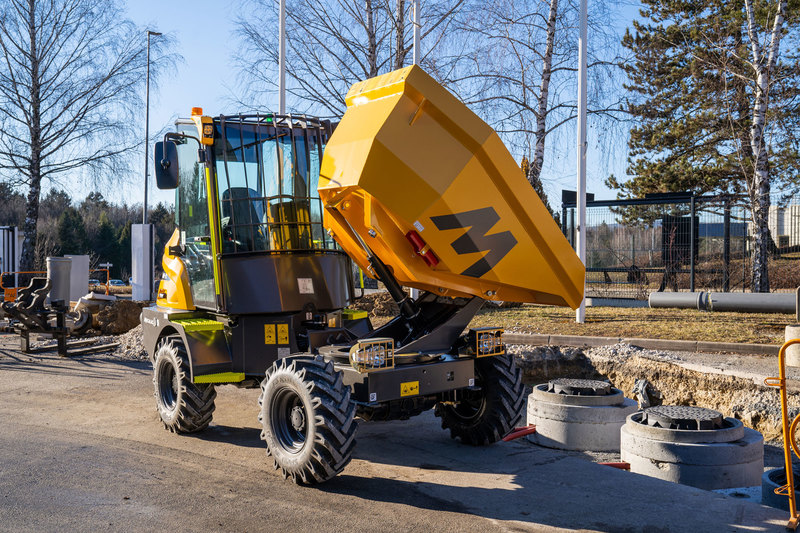
Plant equipment like a Mecalac dumper may prove invaluable to the project, helping to collect and carry away rock and earth from the excavation of the tunnels and other earthworks.
Not only will MetroLink be the first underground rail system in Ireland, but the government believes it will act as a key to further major developments, including 200,000 new homes across the Greater Dublin area thanks to the opening up of transport corridors.
The route will have:
- 18.8 km of line, from Swords to the north of the city to Charlemont just south of the city centre
- It will have 16 new stations
- Most of it will run underground in tunnels, with some sections in cuttings
- Only a couple of very short sections will run on the surface as it now exists
The disposal of excavated earth is an important practical element of any project involving extensive tunnelling, although in some projects, creative means have been used to turn the material into a valuable resource.
For example, over in Britain the excavation of tunnels for the Crossrail line across London produced three million tonnes of soil, which was transported to the Thames Estuary and used to build a new habitat at a bird sanctuary.