
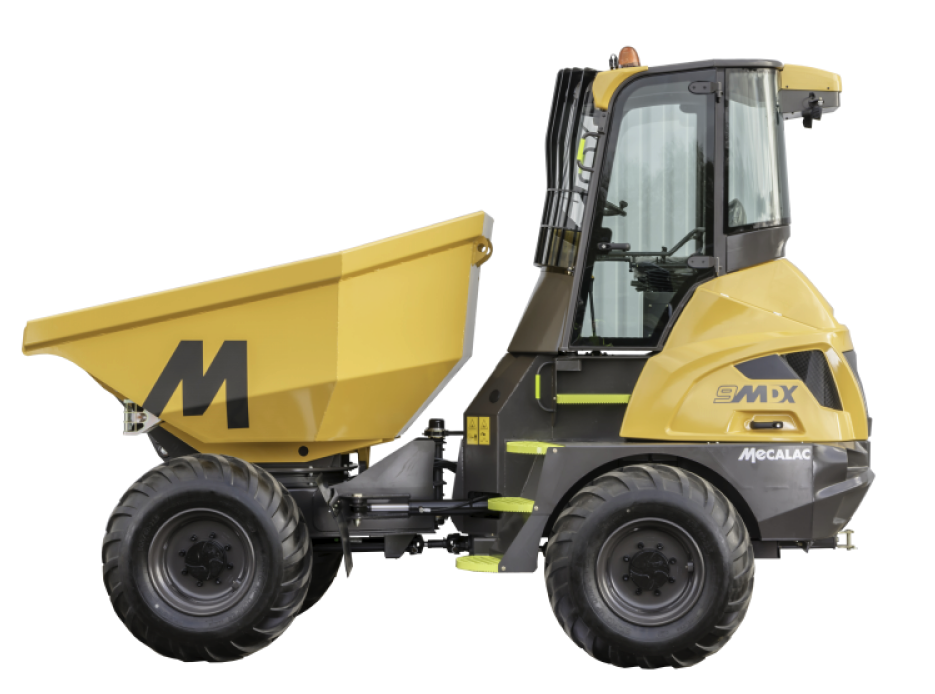
The biggest trend in construction and plant machinery over the past decade has been the increasing incorporation of electric vehicles into the fleets of many firms and contractors.
We offer a wide range of plant machinery to suit every possible need, but the growing trend of electric and hybrid equipment is particularly fascinating, as the industry tries its hardest to look for sustainable solutions in an era looking towards a net-zero future.
Aside from environmental aspirations, however, electric heavy equipment is highly desirable for its own sake, and to understand why, here are just a few of the biggest advantages of electric equipment.
Whilst this is the ultimate goal of using electric equipment to begin with, the implications of less smoke and smog on your site are vitally important when operating in certain types of sites and areas.
Heavy equipment typically cannot work indoors without considerable ventilation, which can take time to organise and approve, but an electric vehicle produces no emissions on site and is net-zero throughout its lifespan.
As well as this, an increasing number of construction sites and areas have significant restrictions on emissions for air quality and safety purposes, both of which benefit from electric equipment.
On the subject of pollution, electric construction equipment generates far less noise than an equivalent diesel-powered machine.
Not only is this important for safety and legal reasons related directly to noise pollution, but it can also have considerable benefits for workers in general.
Electric equipment makes less noise, making it easier to hear vital safety instructions whilst on site. As well as this, the last of the engine and cooling fan means that the vehicle itself isn’t vibrating, which can contribute to worker fatigue.
You need far less fuel to power an electric vehicle, partly due to only requiring energy to power the electrical supply needed to charge it, but also because there is no wasted energy idling; if an electric vehicle is not moving, it is not drawing power.
As well as this, electric equipment has far fewer moving parts, seals and components to break down, leading to far lower maintenance costs and a cheaper total cost of ownership.
https://www.hse.gov.uk/noise/employers.htm
