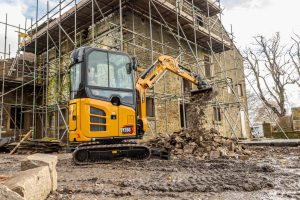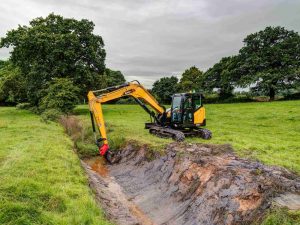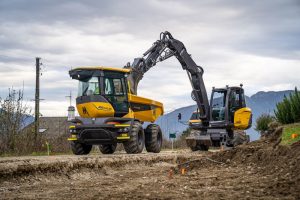
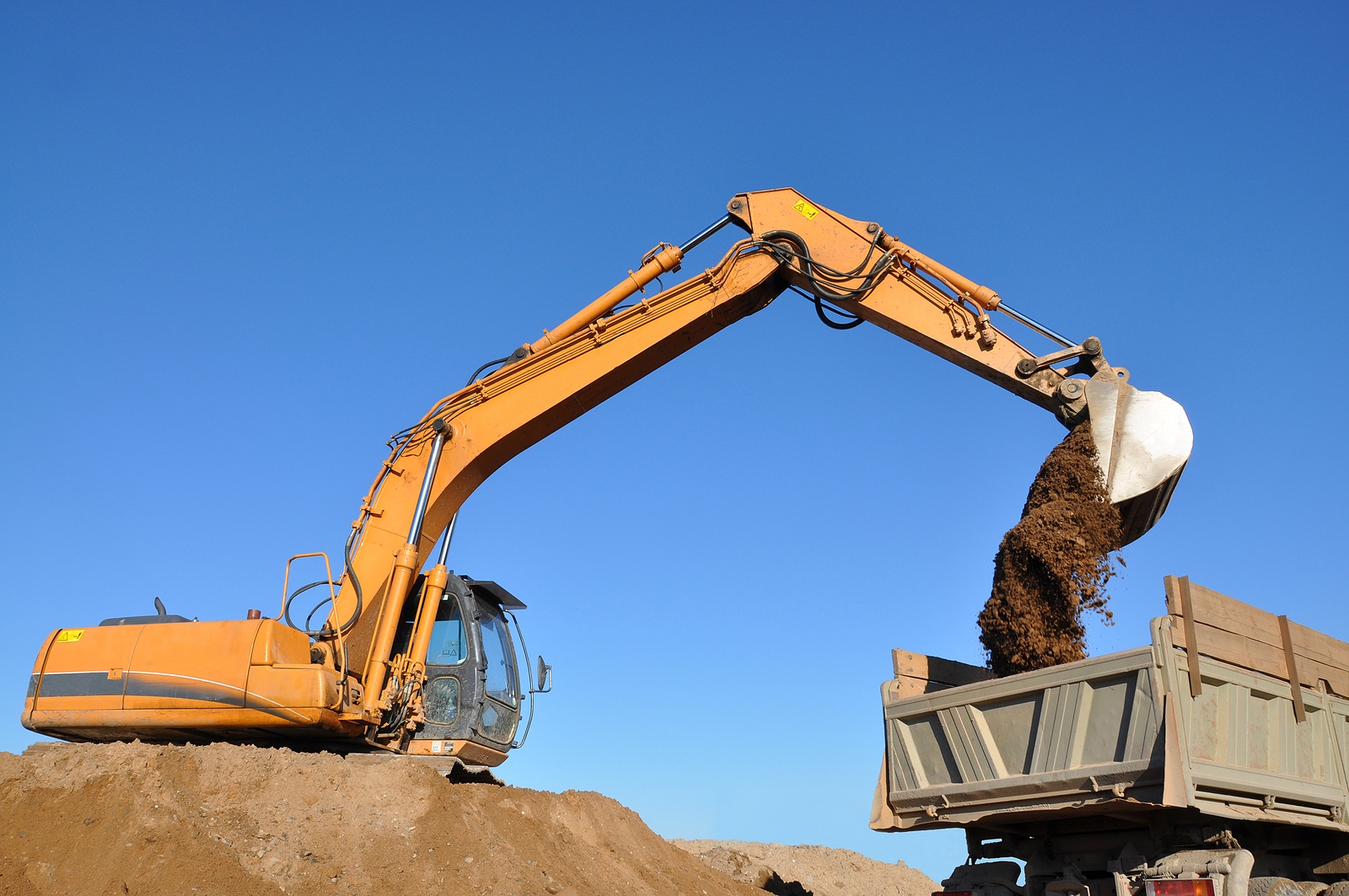
May and June have provided an early taster for the difficulties construction firms may face in the scorching summer months. Taking care of your excavator and your staff means taking this heat into account and planning ahead of time.
Given that, as Construction News notes, on-site workers face the greatest risks on construction sites and the complex hydraulics of excavators can be tested by direct sunlight and temperatures more commonly seen closer to the Equator.
Part of protecting your workers is to ensure that the machinery they are operating is safe and fit for purpose, and the best way to do that is to follow the following top tips.
Safe Operation Requires A Healthy Operator
Ultimately, your people are priceless, so prioritise their safety and comfort on-site to minimise the risk of heat exhaustion, heatstroke and the kind of mistakes caused when sheer heat makes it difficult to concentrate.
This means ensuring that air conditioning systems in the cab of any machines you use are fully operational, and shutting down any machines that are lacking in this department.
As well as this, supply as much cold water as possible and strongly encourage staff to drink as much as possible throughout the working day, not just during designated breaks.
Speaking of breaks, ensure there are shaded areas for cooling down, ideally with some form of fan or air conditioning systems of their own.
Finally, switch to breathable, lightweight PPE that prevents overheating but meets the standard for the site.
Inspect Your Excavator For Heat Damage
Hydraulic equipment can be strongly affected by the heat, so you will need to monitor oil levels and switch to lubricants that are rated for higher temperatures.
As well as this, ensure that your coolant levels are checked every day, check the track tension/tyre pressure (as appropriate), and clean air filters and radiator grills, as blockages will cause far more damage.
Schedule Around Temperature Peaks
Try to avoid scheduling the hardest work during the hottest parts of the day, and arrange to do work in the early morning and late afternoon where possible.